Aerial Cable Buying Tips for Global Importers and Suppliers?

Time:2026-05-05 Author:Mason
0%

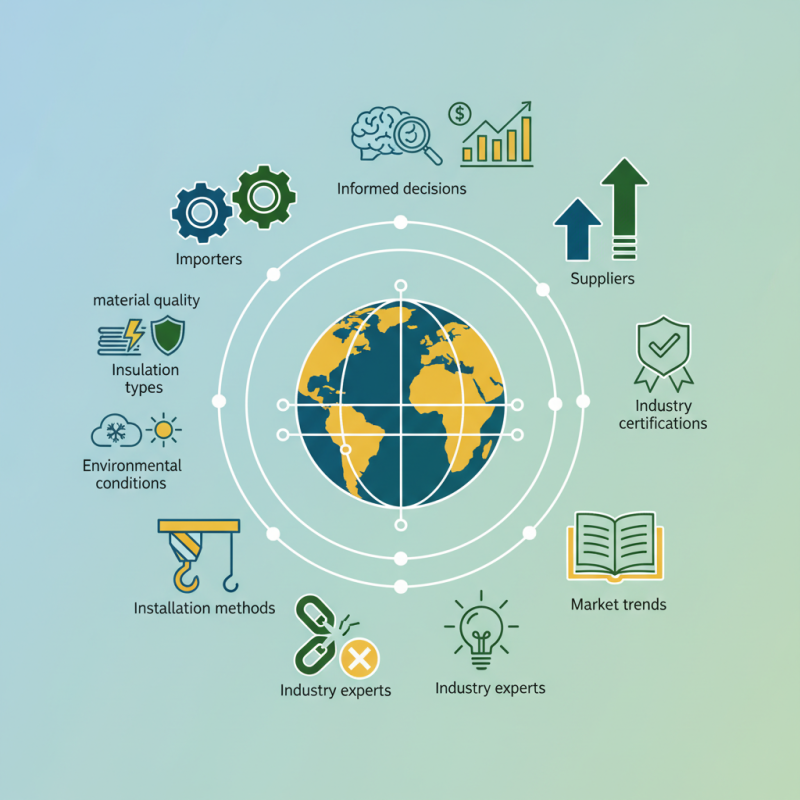
When navigating the global market for Aerial Cables, understanding key factors is vital for importers and suppliers. These cables play an essential role in electrical systems, providing reliable connections in various settings. Given the complexities of international trade, making informed decisions can lead to successful transactions.

Importers must consider cable specifications, including material quality and insulation types. For instance, different regions may have varying standards and requirements. Additionally, factors like environmental conditions and installation methods should guide equipment choices. Suppliers can benefit from industry certifications, which enhance credibility and trustworthiness.

While experience plays a significant role, mistakes can happen. For example, choosing the wrong cable type can lead to operational failures and financial losses. It’s crucial to reflect on past purchases and adapt strategies accordingly. Engaging with industry experts and staying updated on market trends can help mitigate risks. Ultimately, a thoughtful approach to Aerial Cable procurement will enhance success in this competitive landscape.
Aerial Cable Buying Tips for Global Importers and Suppliers?

Aerial Cable Specifications: Understanding Key Technical Requirements

When purchasing aerial cables, understanding the technical specifications is crucial. Different cables serve varying applications, each with unique requirements. For instance, consider the material type. Copper and aluminum are common choices, but each has pros and cons. How will the cable be used? Will it be subjected to extreme temperatures or environmental conditions?

Tips for selecting the right cable include checking the insulation type. Proper insulation ensures longevity and safety. Look for weather resistance if the cables will be exposed outdoors. Voltage rating is another critical factor; ensure it meets or exceeds your project’s needs.

Don’t forget about the cable’s mechanical strength. It should withstand tension and movement. Regularly review your sources to validate their claims. Often, suppliers may not provide complete information. Remaining vigilant can save resources and enhance project safety.

Evaluating Supplier Credentials: Quality Assurance and Certifications

Evaluating supplier credentials is crucial in the aerial cable industry. Quality assurance and certifications are key factors in making informed purchasing decisions. According to a recent report by the International Electrotechnical Commission (IEC), roughly 40% of suppliers do not meet basic quality standards. This alarmingly high figure highlights the importance of due diligence in supplier evaluation.

When assessing potential suppliers, request documentation for their quality management systems. Certifications like ISO 9001 can indicate a commitment to quality. Additionally, verifying product testing standards is critical. For instance, compliance with the American National Standards Institute (ANSI) can enhance buyer confidence. In a competitive market, suppliers that prioritize these credentials often experience a 15-30% increase in customer trust and retention.

It's beneficial to engage with suppliers directly. Consider visiting production facilities. Such visits provide insights into manufacturing practices. Conversations with their quality assurance teams can reveal their attention to detail. However, some suppliers may possess certifications but lack consistent quality in practice. This discrepancy necessitates careful evaluation and ongoing monitoring to ensure that your supply chain remains reliable.

Aerial Cable Supplier Credentials Evaluation

Cost Considerations: Budgeting for Aerial Cable Purchases

When considering aerial cable purchases, budgeting is crucial. The average cost for aerial cables varies widely depending on the material and specifications. A recent industry report noted that copper-based aerial cables can range from $0.80 to $2.00 per meter, while fiber optic cables may cost between $1.50 and $3.50 per meter. Understanding these prices helps importers set realistic budgets.

Another important factor is quantity. Bulk purchases often yield discounts, reducing the unit price. However, it’s essential to balance immediate needs with future requirements. Too much inventory might tie up capital unnecessarily. According to recent supply chain analyses, overstocking can result in a 5% to 10% increase in overall expenses due to storage and maintenance costs.

In addition to initial costs, consider long-term expenses. Installation and maintenance can add significantly to the total investment. Reports indicate that installation costs can equal the price of the cables themselves. Importers should also account for potential fluctuations in material prices over time, as market conditions can lead to price increases. Planning for these factors enhances budgeting effectiveness and helps suppliers navigate financial challenges.

Aerial Cable Buying Tips for Global Importers and Suppliers - Cost Considerations: Budgeting for Aerial Cable Purchases

Cable Type Average Price per Meter (USD) Minimum Order Quantity Lead Time (Weeks) Key Considerations
AAAC (All Aluminium Alloy Conductor) $1.50 500 meters 4 Lightweight, corrosion resistance
ACSR (Aluminium Conductor Steel Reinforced) $1.80 300 meters 6 Good strength, can carry higher loads
AAC (All Aluminium Conductor) $1.40 400 meters 5 Flexible, lighter than ACSR
OPGW (Optical Ground Wire) $2.50 250 meters 8 Combines grounding and communication
ADSS (All Dielectric Self Supporting) $3.00 200 meters 10 Insulated, supports itself without metal

Logistics and Shipping: Best Practices for Global Importation

Logistics and shipping play pivotal roles in global importation. Proper planning is crucial for smooth operations. Timing is everything. Delays can result in increased costs. Importers often struggle with customs clearance. A well-prepared, detailed documentation can help. Accurate invoices and declarations are must-haves.

Understanding the shipping process is vital. Choose a reliable transportation method that fits your budget. Sea freight might be cost-effective but often slow. Air freight is faster but tends to be pricier. Consider the nature of your products. Fragile or perishable goods require special handling and quicker transit.

Monitoring shipments in real-time can mitigate risks. Unexpected delays or damage can happen. Insurance coverage is a wise decision. No one wants to face potential losses. Regular communication with suppliers is necessary, yet often overlooked. Feedback can highlight areas needing improvement. Navigating logistics efficiently requires a balance of strategy and adaptability.

Regulatory Compliance: Navigating Import Laws and Standards

When importing aerial cables, understanding regulatory compliance is crucial. Each country has its own import laws and standards. Research these specific regulations. Ignoring them can lead to delays or fines.

Ensure that the cables meet safety and environmental standards. Check for required certifications before shipment. This adds credibility to your product and business. Lack of compliance may jeopardize your investment.

Tips: Always document your compliance process. Keep records of certifications and inspections. If ever questioned, you have proof of adherence. Consulting with experts may help navigate complex laws. Watch for changes in regulations. Staying informed ensures smoother transactions.

FAQS

: Why is evaluating supplier credentials important?

: It's crucial to ensure quality in the aerial cable industry. Poor supplier quality can undermine your project.

What certifications should I look for in a supplier?

Look for quality management certifications like ISO 9001. These indicate a commitment to maintaining high standards.

How can I assess a supplier's quality assurance?

Request their quality management documentation and verify product testing standards before making any purchasing decisions.

What should I consider when visiting supplier facilities?

Engage directly with their quality assurance teams and observe their manufacturing practices for insights into their quality culture.

Why is compliance with import laws important?

Non-compliance can lead to delays, fines, and jeopardized investments. Each country has specific regulations to follow.

What are some tips for maintaining compliance?

Document your compliance processes and keep records of certifications. This helps if you're questioned about your adherence.

What is the impact of lacking quality in practice, even with certifications?

Suppliers may not deliver consistent quality. Continuous evaluation and monitoring are necessary to ensure reliability.

How can experts assist in navigating import laws?

They provide guidance in understanding complex regulations, helping to avoid mistakes and ensuring smoother transactions.

What can happen if I ignore regulatory compliance?

Ignoring compliance may result in financial penalties and loss of business credibility. Always verify safety and environmental standards.

Should I rely solely on certifications when choosing suppliers?

No, while certifications are important, actual quality in practice must be assessed. Look for consistency in their performance.

Conclusion

When it comes to purchasing aerial cable, global importers and suppliers must navigate a range of key considerations to ensure successful transactions. Understanding the specifications of aerial cable is crucial, as it encompasses essential technical requirements such as voltage ratings, conductor materials, and insulation types. Evaluating supplier credentials is equally important, with an emphasis on quality assurance and certifications that guarantee product reliability.

Cost considerations play a significant role in budgeting for aerial cable purchases, as prices can vary based on quality and sourcing conditions. Furthermore, logistics and shipping require careful planning to optimize the import process and mitigate delays. Lastly, staying informed about regulatory compliance is essential for navigating the various import laws and standards that govern aerial cable to avoid complications during transportation. Overall, a comprehensive approach will help importers and suppliers make informed decisions in their aerial cable procurement efforts.

Mason

Mason

Mason is a seasoned marketing professional with a deep expertise in the company's offerings and a passion for driving brand awareness. With a strong background in digital marketing strategies, he has an innate ability to connect with diverse audiences and effectively communicate product benefits.......