In a world where electrical efficiency is paramount, choosing the right wiring solution is crucial. Bundle Cable has gained popularity for its ability to streamline installations and enhance performance. Expert in electrical engineering, Dr. Jane Anderson, emphasizes this trend. She states, "Bundle Cable not only simplifies logistics but also boosts energy efficiency significantly."
Bundle cables consist of multiple insulated wires bound together, promoting organization and reducing installation time. This compact design minimizes clutter, ultimately saving space. As buildings become more complex, the demand for effective wiring solutions rises. Bundle Cable addresses these challenges, meeting both residential and industrial needs.
However, while Bundle Cable offers numerous benefits, it's essential to consider potential drawbacks. Wiring configurations may become complicated, and if not installed correctly, issues could arise later. Understanding these nuances ensures users maximize the advantages of Bundle Cable while mitigating risks. Proper installation is key to unlocking its full potential in any project.
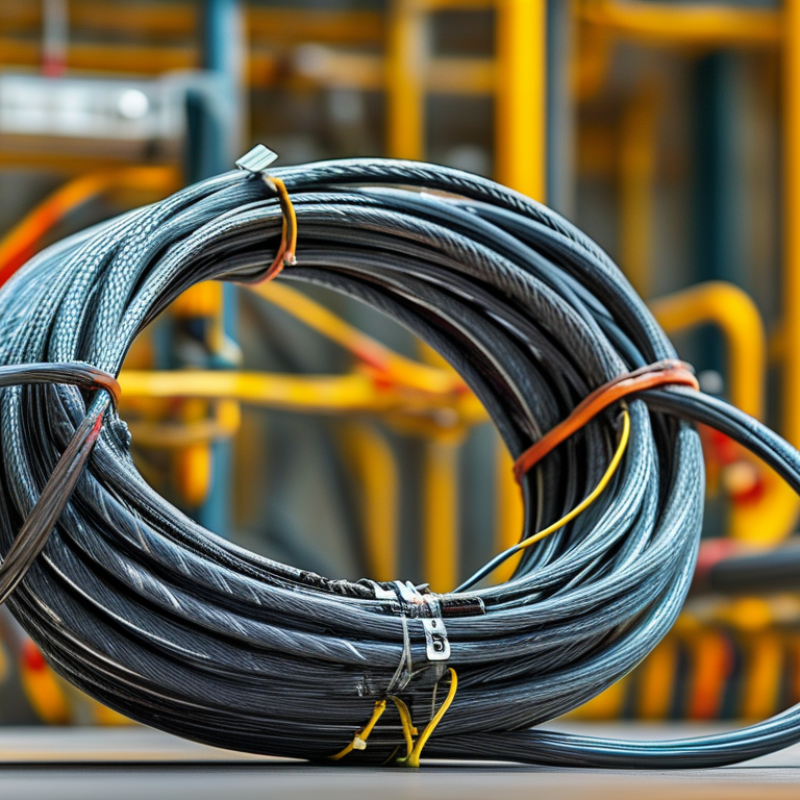
Understanding Bundle Cable: Definition and Components
Bundle cable is essential for modern electrical installations. It comprises multiple wires grouped together, providing both functionality and efficiency. The components typically include insulated conductors, shielding, and a protective outer jacket. This configuration minimizes interference, enhancing signal clarity. According to the National Electrical Manufacturers Association (NEMA), bundle cable applications are expected to grow by 25% over the next five years.
Selecting the right bundle cable can optimize performance. Consider the cable ratings, which indicate their maximum capacity. Ratings can influence safety and reliability. A recent industry report from the International Electrotechnical Commission (IEC) states that using improperly rated cables can lead to significant failures. Ensure that you carefully assess your needs, including voltage and current requirements.
Pay attention to installation practices. Overheating can occur if cables are overcrowded or improperly routed. This not only reduces performance, but it may also pose safety risks. The National Fire Protection Association (NFPA) emphasizes that poorly installed bundle cables are a leading cause of electrical fires. Conduct regular inspections to ensure compliance with safety standards. Remain informed and cautious when selecting and maintaining your wiring systems.
Benefits of Using Bundle Cable for Electrical Installations
Bundle cable is becoming a popular choice for electrical installations. Its design allows multiple wires to be grouped together, simplifying the organization of electrical systems. This streamlined approach can reduce installation time significantly. Electricians can work faster when managing fewer loose wires.
The reliability of bundle cable is another advantage. With improved protection against damage, these cables are less prone to interference. This means that the integrity of your electrical system remains intact. Bundle cable also minimizes the risk of accidental shorts, enhancing overall safety. While these advantages are clear, it’s worth noting that proper installation is crucial. Mismanagement during setup may lead to unexpected issues.
Additionally, bundle cables can be more cost-effective over time. They often result in less material waste and fewer resources spent on installation. However, it's essential to consider the specific needs of your project. Not every situation may benefit from bundle cables. Evaluating the environment and requirements is necessary for a successful outcome.
Comparing Bundle Cable to Other Wiring Options
Cable choice significantly influences performance and safety in electrical installations. Bundle cables have gained traction due to their unique benefits. According to a report by the International Electrotechnical Commission, bundle cables reduce installation time by up to 40% compared to traditional wiring options. This efficiency can save considerable labor costs and minimize downtime in commercial projects.
However, it's essential to consider the thermal management of bundled cables. A study by IEEE suggests that while these cables offer convenience, they can lead to overheating if not adequately spaced. Designers must carefully evaluate how to organize these cables, balancing efficiency with safety. Prioritizing ventilation can significantly mitigate this risk.
In contrast, individual cables provide flexibility and easier troubleshooting. They allow for simpler modifications in tight installations. According to a survey conducted by the National Electrical Manufacturers Association, 65% of electricians prefer individual wiring for complex setups. While bundle cables streamline the process, the need for adaptability should not be overlooked. Careful analysis of project requirements is vital before making a final decision.
Why Choose Bundle Cable for Your Wiring Needs? - Comparing Bundle Cable to Other Wiring Options
| Wiring Option |
Cost (per meter) |
Installation Ease |
Durability |
Flexibility |
Suitability for High-Density Apps |
| Bundle Cable |
$2.50 |
Easy |
High |
Moderate |
Yes |
| Twisted Pair Cable |
$1.50 |
Moderate |
Moderate |
High |
No |
| Coaxial Cable |
$2.00 |
Hard |
Very High |
Low |
No |
| Fiber Optic Cable |
$5.00 |
Hard |
Very High |
Very High |
Yes |
Installation Tips: Best Practices for Bundle Cable Usage
When it comes to using bundle cable in your wiring projects, installation methods significantly impact performance and safety. Keep your work area organized to avoid confusion. Label each cable clearly to prevent mix-ups. This will save you time and reduce frustration during installation. Inserting cables into a bundle incorrectly can lead to interference or signal loss, so pay attention to the layout as you work.
Proper cable management is crucial. Use cable ties or Velcro straps to secure bundles without crushing the wires. Over-tightening can cause damage, so ensure a gentle grip. Maintaining some slack in the cables helps manage movement and thermal expansion. Check the bending radius to avoid stress on the cable, especially at sharp turns.
Always consider the environment where the cables will be installed. Exposure to extreme temperatures or moisture can impact their integrity. Avoid running cables near sources of interference, such as motors or high-voltage lines. When in doubt, seek advice from a skilled electrician. Even minor mistakes during installation can lead to major issues down the line, making careful planning essential.
Safety Considerations and Compliance Standards for Bundle Cable
When considering bundle cable for wiring, safety is paramount. Bundle cables are designed to reduce risks, but they still require adherence to safety standards. The National Electrical Code (NEC) emphasizes the importance of proper installation to minimize electrical hazards, such as short circuits and fires. A 2022 report from the National Fire Protection Association indicates that electrical failures contributed to over 20% of home fires in the last decade. This highlights the need for compliant wiring products.
Another vital aspect is compliance with standards like the Underwriters Laboratories (UL) certification. UL tests cables for flammability and electrical performance. This certification ensures that the bundle cables meet safety requirements. Reliable bundle cables can withstand adverse conditions, including high temperatures and moisture. According to a 2021 industry report, using compliant products can reduce the risk of failure by up to 40%. However, choosing substandard wiring can have dire consequences, both financially and in terms of safety.
Using bundle cables offers many advantages, but caution is necessary. Installers must be well-aware of local codes and regulations. Awareness of potential pitfalls in wiring practices can prevent costly mistakes. Ongoing training and updates in safety standards are crucial in this evolving industry. Employing skilled professionals guarantees compliance and safety throughout the installation process.
Conclusion
Bundle Cable is a versatile wiring solution designed to streamline electrical installations while enhancing safety and organization. Comprised of several individual wires grouped together, Bundle Cable offers a range of benefits, including reduced installation time and improved reliability in various applications. Compared to traditional wiring options, it provides a cleaner look and better protection against environmental factors.
When considering the installation of Bundle Cable, adhering to best practices is crucial for optimal performance. This includes proper routing and securing the cable to prevent damage during use. Additionally, awareness of safety considerations and compliance with industry standards is essential to ensure that installations meet regulatory requirements. Overall, choosing Bundle Cable for your wiring needs can lead to significant advantages in performance and efficiency.

 Laurence