In the world of electrical infrastructure, the choice of materials significantly impacts performance and safety. "Concentric Aluminum Cable" has emerged as a strong contender for various projects, providing numerous benefits over traditional copper wiring. According to Dr. Emily Zhao, a leading expert in electrical engineering, "Concentric Aluminum Cable not only offers enhanced conductivity but also reduces installation costs." This dual advantage makes it a preferred choice among engineers.
The design of Concentric Aluminum Cable allows for a compact and efficient layout. By using a concentric configuration, it minimizes the overall weight while maintaining excellent power delivery. Projects requiring feasibility and reliability can greatly benefit from this innovative cable. However, some professionals raise concerns about its long-term durability compared to copper. This aspect deserves careful consideration.
Not all projects are suited for Concentric Aluminum Cable. Its performance is optimized in specific environments. Engineers must evaluate conditions like temperature and exposure to elements. Ultimately, while the advantages of Concentric Aluminum Cable are notable, understanding its limitations is equally crucial. Balancing these factors can lead to more informed decisions in electrical installations.
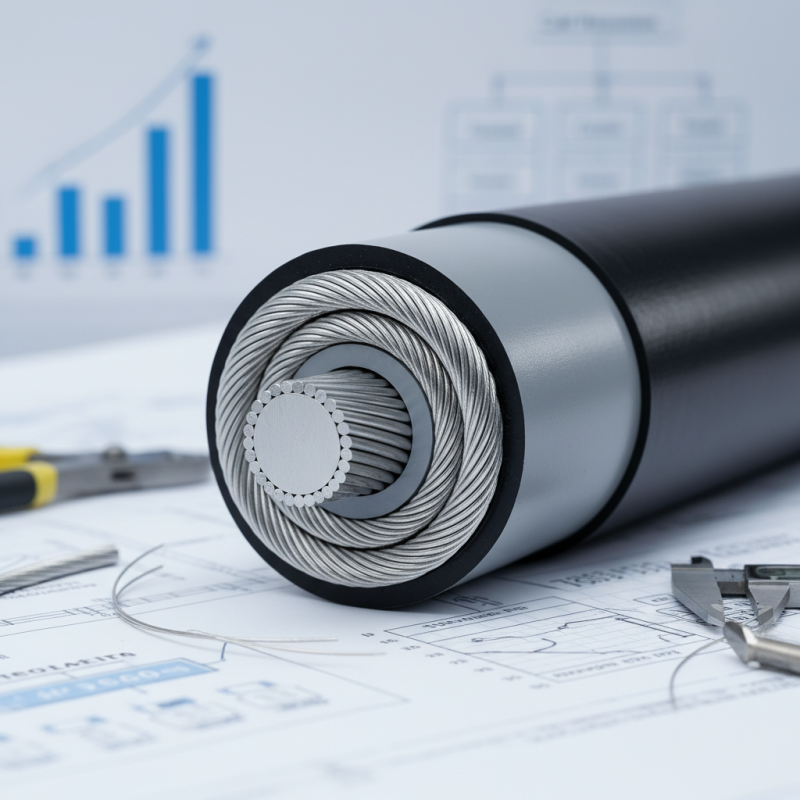
Benefits of Concentric Aluminum Cable in Electrical Applications
When selecting materials for electrical projects, concentric aluminum cable stands out for various reasons. It offers excellent electrical conductivity, making it an ideal choice for power distribution. The design of concentric cables reduces the electromagnetic interference, ensuring a stable and efficient power flow. This is particularly beneficial in urban environments where interference is often a concern.
Moreover, concentric aluminum cables are lightweight and flexible. This makes installation easier, especially in complex projects with limited space. The corrosion-resistant properties of aluminum enhance the cable's longevity. This resilience helps minimize maintenance costs over time. However, it's essential to assess the specific requirements of your project before making a decision.
Tips: Always consider the environment where the cable will be installed. Factors like temperature fluctuations and exposure to elements can impact performance. It might be wise to consult with an expert in electrical materials before proceeding. Doing so can save time and resources in the long run. Remember, not all projects require the same type of cable. A thorough evaluation of your needs is crucial.
Why Choose Concentric Aluminum Cable for Your Projects? - Benefits of Concentric Aluminum Cable in Electrical Applications
| Feature |
Description |
Benefits |
| Lightweight |
Concentric aluminum cables are significantly lighter than copper cables. |
Easier handling and installation; reduced labor costs. |
| Corrosion Resistance |
Aluminum naturally forms a protective oxide layer. |
Longer lifespan in various environments; lower maintenance costs. |
| Cost-Effectiveness |
Typically less expensive than copper conductors. |
Reduced initial costs for project budgets. |
| High Conductivity |
Concentric design enhances electrical conductivity. |
Efficient energy transmission, reducing energy losses. |
| Flexibility |
Concentric aluminum cables offer improved flexibility compared to traditional cables. |
Easier installation in complex layouts and tight spaces. |
| Fire Resistance |
Aluminum cables can be designed to resist high temperatures. |
Enhanced safety in electrical installations. |
Comparison of Concentric Aluminum Cable and Traditional Copper Wiring
Concentric aluminum cable offers distinct advantages over traditional copper wiring. One key benefit is its lighter weight, making installation easier and reducing labor costs. It can be bent and maneuvered into tight spaces with less effort. Additionally, its design allows for better heat dissipation, which is crucial for high-performance electrical systems.
When comparing these materials, consider their conductivity. Copper has higher conductivity but also comes with a higher risk of corrosion. Aluminum has improved technology that minimizes this risk. Over time, aluminum cables can prove more reliable in various environmental conditions. Conducting tests to assess the best fit for specific projects is crucial.
Tips: Ensure proper connections when using aluminum cables. They can require special connectors to avoid performance issues. Regular inspection is wise to maintain efficacy. Always consider your project needs carefully when making material choices.
Factors to Consider When Choosing Concentric Aluminum Cable
When selecting concentric aluminum cable for your projects, several key factors come into play. One primary consideration is conductivity. According to industry standards, aluminum has a conductivity that is about 61% of that of copper. This makes it a cost-effective choice, especially for larger installations. The reduced weight of aluminum also eases the installation process, particularly in overhead applications where weight can impact structural support.
Another important aspect is the cable's mechanical properties. Aluminum cables are known for their flexibility, which enhances installation efficiency. Reports indicate that concentric designs provide enhanced durability against environmental factors, making them suitable for both urban and rural applications. However, it’s crucial to recognize some inherent challenges. Aluminum is more prone to oxidation than copper. This can lead to potential long-term performance issues if not addressed properly.
Consider the specific needs of your project. If high tensile strength is a priority, concentric aluminum cables may not match the performance of their copper counterparts. Installers should also evaluate the installation environment. Factors like moisture or extreme conditions can affect the cable's lifespan and efficacy. Balancing these considerations is essential for ensuring optimal performance in the final setup.
Installation Best Practices for Concentric Aluminum Cable
When installing concentric aluminum cable, attention to detail is crucial. Proper installation practices ensure longevity and safety. Begin by assessing the environment where the cable will be laid. Is the ground stable? Are there potential hazards nearby? These factors impact the installation process.
Use appropriate tools to handle the cable. A cable cutting tool, for instance, provides a clean cut, reducing the risk of damage. Ensure the cable has adequate slack for thermal expansion. Too much tension can lead to wire breakage down the line. Also, it is vital to secure the cable with suitable fasteners at regular intervals.
Testing connections is another critical step. After installation, verify that the connections are secure. A loose connection may lead to overheating or failure. Encourage team members to reflect on their installation mistakes. Continuous improvement is essential for optimal performance in the field. By paying attention to these practices, the installation of concentric aluminum cable can be both effective and reliable.
Why Choose Concentric Aluminum Cable for Your Projects?
Cost Efficiency and Environmental Impact of Using Concentric Aluminum Cable
Choosing concentric aluminum cable can significantly enhance your project's cost efficiency. The lightweight nature of aluminum reduces shipping expenses. Additionally, its high conductivity ensures that less material is needed, leading to savings on overall project costs. This wire requires less maintenance and has a longer lifespan in many environments. Such attributes make it a practical option for various applications.
Environmental impact is also a crucial consideration. Aluminum is 100% recyclable, promoting sustainability. Using concentric aluminum cable minimizes waste compared to copper alternatives, which are often discarded. Employing this cable reduces the carbon footprint associated with manufacturing and transporting traditional materials. However, it's essential to remember that aluminum production does involve energy consumption and emissions, which should be accounted for in any sustainability assessment.
While the benefits are clear, the choice should not be made lightly. Researching local conditions can reveal challenges that may affect performance. In some cases, aluminum may not hold up as well as copper in extreme temperatures or harsh environments. Reflecting on these factors will help ensure you make an informed decision that balances cost and environmental responsibility.
FAQS
: Conductivity is crucial. Aluminum has about 61% of copper's conductivity.
Its lower weight makes it easier to install, especially in larger setups.
Aluminum cables are flexible, enhancing installation efficiency compared to heavier materials.
Oxidation can cause performance issues if not managed properly.
High tensile strength may be inadequate compared to copper cables.
Factors like moisture and extreme conditions can reduce lifespan and effectiveness.
Proper practices ensure the wire's longevity and overall safety after installation.
A cable cutting tool helps achieve a clean cut, minimizing damage.
Adequate slack is necessary to allow for thermal expansion; too much tension risks breakage.
Loose connections can lead to overheating or even failure in the system.
Conclusion
Concentric Aluminum Cable offers numerous advantages in electrical applications, primarily due to its lightweight nature and excellent conductivity. Unlike traditional copper wiring, Concentric Aluminum Cable is more cost-efficient, making it an appealing choice for various projects. Its design allows for better heat dissipation and lower energy losses, which can enhance overall system performance.
When selecting Concentric Aluminum Cable, several factors should be considered, including the specific requirements of the application and installation best practices to ensure safety and efficiency. The environmental benefits, such as reduced resource consumption and lower carbon footprint, further reinforce the rationale for choosing Concentric Aluminum Cable in modern electrical designs. Overall, this cable type presents a viable alternative that combines efficiency, sustainability, and cost-effectiveness.

 Laurence