How to Choose the Right High Voltage Cable for Your Project?

Time:2026-05-16 Author:Madeline
0%

Choosing the right high voltage cable for your project is crucial for safety and efficiency. High voltage cables are designed to transmit electricity at high voltages, which requires careful consideration. Selecting the wrong type can lead to failures and costly downtime.

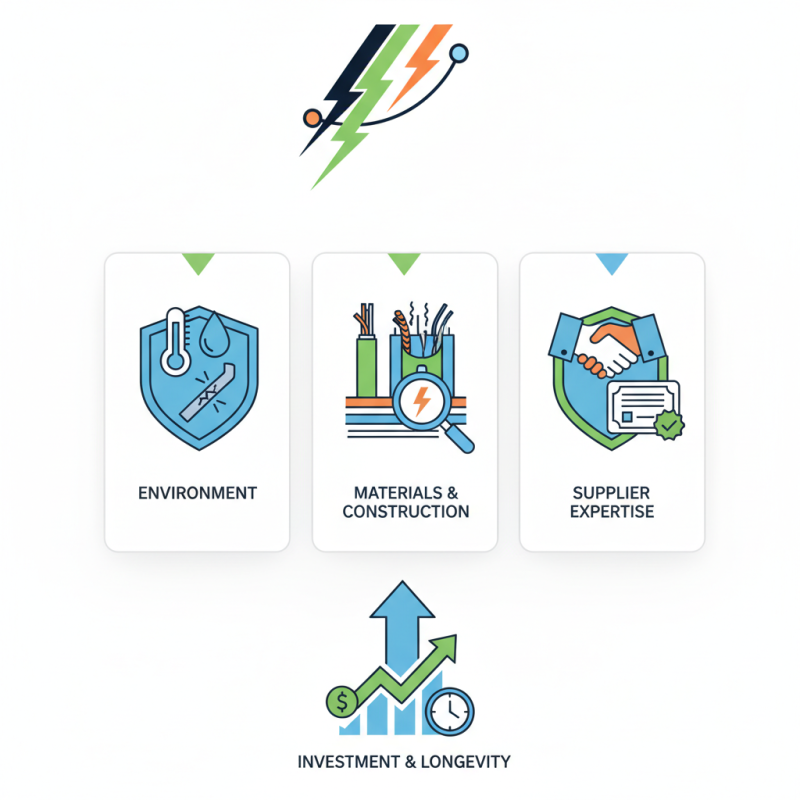
When contemplating high voltage cables, several factors come into play. You need to assess the environment where the cable will be installed. Temperature extremes, moisture, and physical stress can all impact performance. Often, installations are complex, but overlooking these details can have significant consequences.

Moreover, the quality of materials and construction is paramount. Not all cables are created equal; some may not withstand harsh conditions. Engaging with suppliers who have proven expertise ensures reliability. Ultimately, making informed choices can protect your investment and enhance project longevity.
How to Choose the Right High Voltage Cable for Your Project?

Understanding High Voltage Cable Applications for Different Projects

When selecting high voltage cables, understanding their applications is crucial. Different projects demand distinct cable characteristics. For example, industrial settings often require cables with enhanced durability and insulation. These environments can expose cables to harsh conditions. A robust high voltage cable can withstand extreme temperatures and potential mechanical stress.

In contrast, renewable energy projects, like solar farms, prioritize flexibility and lightweight design. These cables must effectively transmit power while maintaining efficiency. Often, these installations require cables with specific ratings to handle varying voltage levels. Knowing the specifics of the project helps in selecting an appropriate cable.

It’s essential to assess the project’s environment and demands. Overlooking factors such as weather conditions and installation space can lead to performance issues. Evaluate the cable’s insulation and conductor materials carefully. These elements significantly impact longevity and safety. Sometimes, you might discover that the initial choice isn't the best fit, leading to a need for reevaluation. The right high voltage cable should offer reliability and meet project-specific requirements.

Key Factors to Consider When Selecting High Voltage Cables

When selecting high voltage cables, various key factors come into play. Understanding these elements is essential for ensuring safety and efficiency in your project. One significant consideration is the cable's voltage rating. It must exceed the maximum voltage in your application to avoid potential breakdowns. A report from the International Electrotechnical Commission (IEC) highlights that improper voltage selection can lead to catastrophic failures.

Temperature ratings are equally important. Cables have different thermal limits that must align with your project's environment. Overheating can compromise insulation and shorten cable life. According to recent industry studies, maintaining optimal temperature conditions for cables can increase their lifespan by up to 30%.

Tip: Always consult the cable specifications to ensure compatibility with your project's environmental conditions.

Insulation materials also influence performance. Choose between XLPE and PVC based on the specific demands of your project. Some materials resist moisture better, while others offer enhanced electrical properties. Each choice comes with trade-offs that require careful evaluation.

Tip: Conduct a risk assessment before finalizing your insulation type. This can prevent costly errors later.

Finally, consider the installation conditions. Cables laid underground face different challenges compared to those strung overhead. Factors like soil composition or exposure to UV light can impact cable integrity. It's crucial to reflect on these aspects to make an informed decision.

High Voltage Cable Selection: Key Factors

This chart illustrates the key factors to consider when selecting high voltage cables. The data represents common criteria and their importance rating on a scale of 1 to 10.

Comparing Insulation Materials for High Voltage Cables

When selecting high voltage cables, the choice of insulation material is crucial for ensuring safety and efficiency. Common insulation materials include PVC, PE, and XLPE, each with distinct properties. For instance, XLPE (cross-linked polyethylene) offers superior thermal resistance and is often preferred in high voltage applications. A study by the International Electrotechnical Commission noted that XLPE can withstand higher temperatures compared to PVC, providing added durability.

Another aspect to consider is the environmental conditions where the cables will be installed. PVC is more affordable but has limitations in extreme temperatures and UV exposure. Meanwhile, PE (polyethylene) is more flexible and resistant to moisture, making it suitable for direct burial applications. However, it tends to suffer from lower thermal properties.

Tips: Always check the thermal ratings of insulation materials. Understanding these ratings can enhance the longevity of your installation. Be mindful that improper insulation can lead to failure and costly repairs. One key factor to contemplate is the cable’s environmental impact. This awareness can lead to more sustainable choices.

Safety Standards and Regulations for High Voltage Cable Use

When selecting high voltage cables, safety standards must be a priority. These standards ensure the cables can withstand extreme conditions. They dictate the specifications for insulation and conductor materials. Compliance with these regulations is essential, as it guarantees reliability in critical applications.

Understanding local and international safety regulations is crucial. Different regions may adopt varying standards based on environmental factors. Regular inspections and testing of cables are necessary to maintain safety. Outdated cables may not meet current regulations and could pose risks.

Professional guidance can be valuable in this selection process. Knowing where to find resources and information is key. Seek out experts who understand the latest requirements. Awareness of evolving standards is crucial for long-term safety. While navigating these regulations can be complex, it enhances project reliability.

Evaluating Environmental Conditions Impacting High Voltage Cables

When selecting high voltage cables for your project, understanding the environmental conditions is crucial. These cables are often exposed to various elements that can affect their performance and lifespan. Factors such as temperature fluctuations, moisture levels, and even physical stress from nearby structures play significant roles.

Temperature changes can cause materials to expand and contract. This can lead to insulation degradation over time. It’s essential to choose a cable that can withstand extreme conditions. Assess whether the cable will be installed outdoors or in harsher environments. Moisture can lead to corrosion, compromising the cable's integrity. Look for cables with good moisture resistance and sealing properties to maintain reliability.

Tips: Always consider the local climate. Installation in coastal areas or regions with heavy rainfall may require specific protection measures. Reflecting on your installation conditions is vital. Documenting past cable performance in various environments can guide future choices. Doing so helps minimize potential issues and enhances project success.

FAQS

: What factors should I consider when selecting high voltage cables?

: Consider the voltage rating, temperature ratings, insulation materials, and installation conditions. Each element impacts safety and efficiency.

Why is voltage rating important for high voltage cables?

The voltage rating must exceed the application's maximum voltage. Improper selection can lead to serious failures and safety risks.

How do temperature fluctuations affect high voltage cables?

Temperature changes can cause materials to expand or contract, degrading insulation over time. Choose cables that resist these effects.

What materials should I consider for insulation?

Insulation options include XLPE and PVC. Each has pros and cons based on moisture resistance and electrical properties.

How do environmental conditions impact cable performance?

Factors like temperature, moisture, and physical stress can greatly affect cable lifespan. Understanding these can prevent performance issues.

What should I evaluate regarding installation conditions?

Consider soil composition, exposure to UV light, and whether cables are underground or overhead. These factors impact the cables' integrity.

Why is it risky to overlook environmental conditions?

Overlooking these can lead to improper cable performance and shorter lifespans. Evaluation is crucial to avoid costly mistakes.

How can I minimize issues with high voltage cables?

Document past cable performance in various environments. This reflection can help inform future decisions and enhance project success.

What happens if my initial cable choice isn’t suitable?

You may need to reevaluate your selection. This might lead to unexpected expenses and project delays, so choose wisely.

Conclusion

When selecting the right High Voltage Cable for your project, it's essential to understand its various applications, as they can significantly differ based on project requirements. Key factors to consider include voltage ratings, current carrying capacity, and installation environment. Evaluating insulation materials is also crucial, as they determine the cable's performance and safety. Additionally, adherence to safety standards and regulations is necessary to ensure compliance and protect workers and equipment.

Environmental conditions can further impact the performance of High Voltage Cables, making it important to assess factors such as temperature, moisture, and potential exposure to chemicals. By considering these aspects comprehensively, you can make an informed decision that enhances the efficiency and safety of your high voltage applications.


Madeline

Madeline

Madeline is a dedicated marketing professional with a wealth of expertise in our company's core offerings. With a keen understanding of the industry, she brings a unique perspective to her role, consistently delivering high-quality content that highlights the superior aspects of our products. As......