How to Choose the Best Aluminum Cable for Your Needs?

Time:2026-05-25 Author:Sienna
0%

Choosing the right Aluminum Cable is crucial for ensuring safe and efficient electrical connections. With many options available, understanding your specific needs becomes essential. Aluminum Cable offers advantages in weight and cost. However, not all aluminum cables are created equal.

When selecting an aluminum cable, consider factors like conductivity and installation environment. Different applications require different specifications. For example, residential wiring might differ from industrial use. Improper choices can lead to performance issues or safety hazards.

It's vital to consult experts or reliable resources during your selection process. They can help clarify technical details and recommend suitable options. Reflect on past decisions and learn from them. This approach can guide you in making informed choices and ultimately benefit your project.
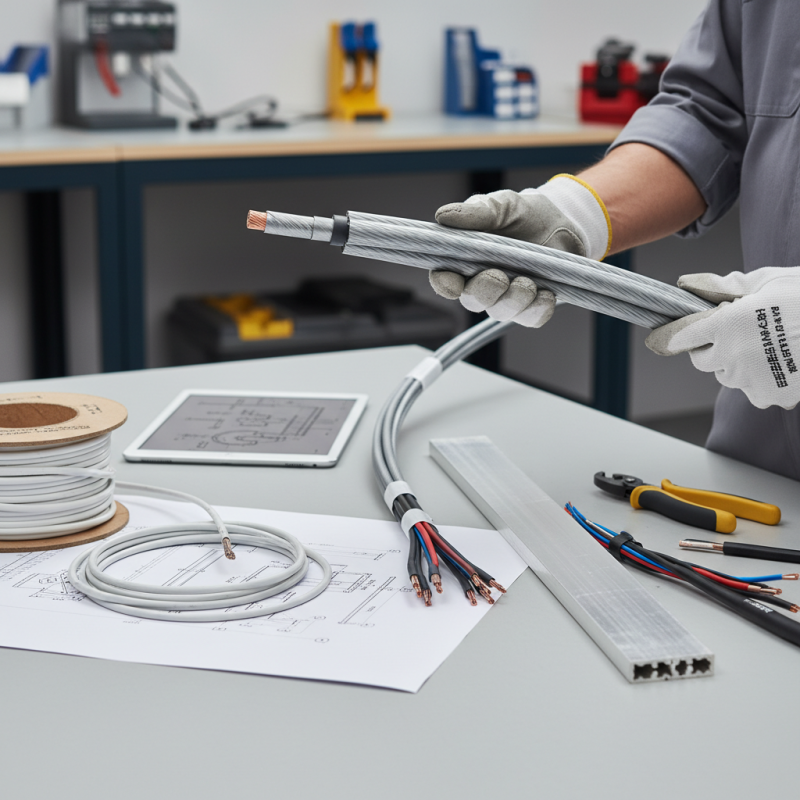
How to Choose the Best Aluminum Cable for Your Needs?

Understanding Aluminum Cable Types and Specifications

Aluminum cables come in various types, each suited for specific applications. Understanding these types is crucial for selecting the right cable. Common types include overhead conductors and ground wires. Overhead conductors are typically used in power transmission. Ground wires, however, serve vital safety functions. Each type has its own unique specifications.

Specifications often include ampacity, voltage ratings, and resistance. Ampacity indicates how much current a cable can carry safely. Voltage ratings show the maximum voltage the cable can handle. Resistance affects efficiency and heat generation. When evaluating specifications, be mindful of your project requirements. A mismatch can lead to poor performance and safety hazards.

Choosing aluminum cables also involves assessing environmental factors. Factors like temperature and moisture can impact performance. Will the cable be exposed to the outdoors? Durability becomes even more critical. Sometimes, manufacturers may not provide detailed data. This makes research essential. Be ready to gather information from reliable sources to ensure you make the best choice. A well-informed decision is vital for the success of your project.

How to Choose the Best Aluminum Cable for Your Needs?

Cable Type Conductor Size (AWG) Voltage Rating Application Environmental Rating Price per Meter
Service Drop Cable 6 AWG 600V Residential UV Resistant $1.50
URD Cable 2 AWG 600V Underground Moisture Resistant $2.10
ACSR Cable 4 AWG 25 kV Transmission Weather Resistant $3.00
Flexible Aluminum Cable 8 AWG 600V Portable Tools Oil Resistant $1.85
Building Wire 12 AWG 600V General Wiring Flame Retardant $0.95

Key Factors to Consider When Selecting Aluminum Cables

When selecting aluminum cables, several key factors come into play. Understanding these can significantly enhance your project's success. Conducting thorough research is crucial. According to the International Electrotechnical Commission, aluminum conductors exhibit a lower weight-to-strength ratio compared to copper. This makes them ideal for overhead power lines and large-scale installations.

Another valuable factor to consider is conductivity. Aluminum's conductivity is approximately 61% that of copper. Despite this difference, proper sizing and installation can effectively compensate for reduced conductivity. Cable sizing charts and guidelines, like those from the National Electrical Code, provide essential benchmarks for ensuring adequate performance.

Durability is also a significant concern. Aluminum cables can suffer from corrosion, especially in humid conditions. Regular maintenance checks are essential to extend the life of your cables. Implementing protective measures, such as UV-resistant coatings, can mitigate these effects. Remember that while aluminum is cost-effective, its performance can vary based on environmental factors. Always be prepared to adjust your specifications based on real-world conditions.

Aluminum Cable Selection Criteria

Applications of Aluminum Cables in Various Industries

Aluminum cables have gained traction in various industries due to their lightweight, cost-effective nature. In the construction sector, aluminum conductors are commonly used for power distribution. According to the International Energy Agency, the global electrical cable industry is projected to grow by 3.5% annually, emphasizing the rising demand for efficient materials. Aluminum cables can significantly reduce installation time due to their lighter weight compared to copper. This feature is often a game-changer in urban projects where logistics matter.

In the automotive industry, aluminum cables are increasingly favored for wiring. They help reduce vehicle weight, leading to improved fuel efficiency. A report by the U.S. Department of Energy estimates that lightweight materials can enhance fuel economy by 6% to 8%. However, there are challenges in ensuring the integrity of connections over time. Improper installation can lead to issues like corrosion, affecting performance and safety.

In renewable energy, aluminum cables are essential for wind farms and solar installations. Their efficiency in conducting electricity plays a vital role in maximizing output. Industry studies show that using aluminum cables can lower the cost of energy transmission by 10%-20%. It's important to remain aware of the environmental impact of aluminum production as well. While these cables offer numerous benefits, consideration of their lifecycle is crucial for sustainable practices.

Safety Standards and Regulations for Aluminum Cable Use

When considering aluminum cable, adhering to safety standards is crucial. The National Electrical Code (NEC) outlines essential regulations. It ensures that cables meet specific performance criteria. For instance, aluminum cables must be rated to handle proper current loads. This prevents overheating and potential hazards.

Recent industry reports underscore the importance of these standards. According to the International Electrotechnical Commission (IEC), improper installation can lead to failures, potentially causing electrical fires. It's vital to choose cables that comply with these guidelines. Consider the environment where the cable will be used. Wet or corrosive conditions require cables with additional protective coatings.

Experts recommend evaluating the gauge and insulation type. The wire gauge affects voltage drop, and improper sizing can lead to energy losses. Always consult installation guidelines to ensure compliance with local codes. Reliability comes from regular inspections and maintenance. This ensures that any issues are identified early, reducing risks. The right aluminum cable can significantly contribute to a safer electrical system when chosen wisely.

Comparing Aluminum Cables with Other Materials: Pros and Cons

When comparing aluminum cables with other materials, it's crucial to understand the pros and cons of each. Aluminum cables are lightweight and cost-effective, with a lower weight-to-strength ratio than copper. According to a recent industry report, aluminum can weigh 60% less than copper per volume, making it a popular choice for applications requiring long runs or overhead installations. However, aluminum does have some drawbacks. It has a higher thermal expansion rate, which can lead to connections becoming loose over time if not properly managed.

On the other hand, copper cables boast superior conductivity, making them more efficient for high-power applications. Reports show that copper offers a conductivity rate of 97% compared to aluminum’s 61%. This means that copper cables can carry more current over the same distance, making them preferable for critical electrical systems. However, copper's higher cost and weight may limit its use in certain scenarios.

Ultimately, your choice should depend on the specific requirements of your project. Consider factors like installation location, budget constraints, and maintenance expectations. A thorough understanding of both materials will guide you to the best decision, ultimately impacting operational efficiency and longevity.

FAQS

: What are the common types of aluminum cables?

: Aluminum cables include overhead conductors and ground wires. They serve different applications, especially in power transmission and safety.

What does ampacity mean for aluminum cables?

Ampacity indicates the maximum current a cable can carry safely. It's essential for preventing overheating issues during operation.

Why are voltage ratings important?

Voltage ratings show the maximum voltage a cable can handle. Exceeding this can cause failures and safety hazards.

How do environmental factors affect cable performance?

Factors like temperature and moisture impact durability. Cables exposed to outdoor conditions must be chosen carefully.

What role do safety standards play in cable selection?

Safety standards ensure cables meet performance criteria. This helps prevent overheating and reduces the risk of electrical fires.

Why is the wire gauge crucial for aluminum cables?

The wire gauge affects voltage drop. Improper sizing leads to energy losses and can compromise system performance.

What should I do if the manufacturer doesn't provide detailed data?

Conduct thorough research from reliable sources. Gathering information is vital for making informed choices about cable selection.

How can regular inspections help with aluminum cables?

Inspections identify potential issues early. This reduces risks and maintains a safer electrical system over time.

What happens if I mismatch cable specifications with project needs?

A mismatch can lead to poor performance or safety hazards. Understanding specifications is key to a successful project.

What precautions should I take for cables in wet conditions?

Choose cables with protective coatings. This enhances durability and ensures compliance with safety standards for wet environments.

Conclusion

When selecting the best aluminum cable for your needs, it's essential to understand the various types and specifications available. Key factors to consider include voltage requirements, environmental conditions, and the intended application, as aluminum cables are widely used across diverse industries such as construction, automotive, and renewable energy.

Additionally, it's crucial to adhere to safety standards and regulations governing aluminum cable use to ensure reliability and safety in installations. Comparing aluminum cables with other materials reveals distinct advantages, including lightweight, cost-effectiveness, and resistance to corrosion, but also some drawbacks such as lower conductivity. By carefully considering these aspects, you can make an informed decision on the most suitable aluminum cable for your specific requirements.


Sienna

Sienna

Sienna is a skilled marketing professional with a deep expertise in our company’s core products and services. With a passion for innovation and detail, she plays a pivotal role in crafting insightful blog posts that not only highlight the unique features of our offerings but also provide valuable......