Why Choosing the Right Electric Wire is Crucial for Projects?

Time:2026-05-31 Author:Aria
0%

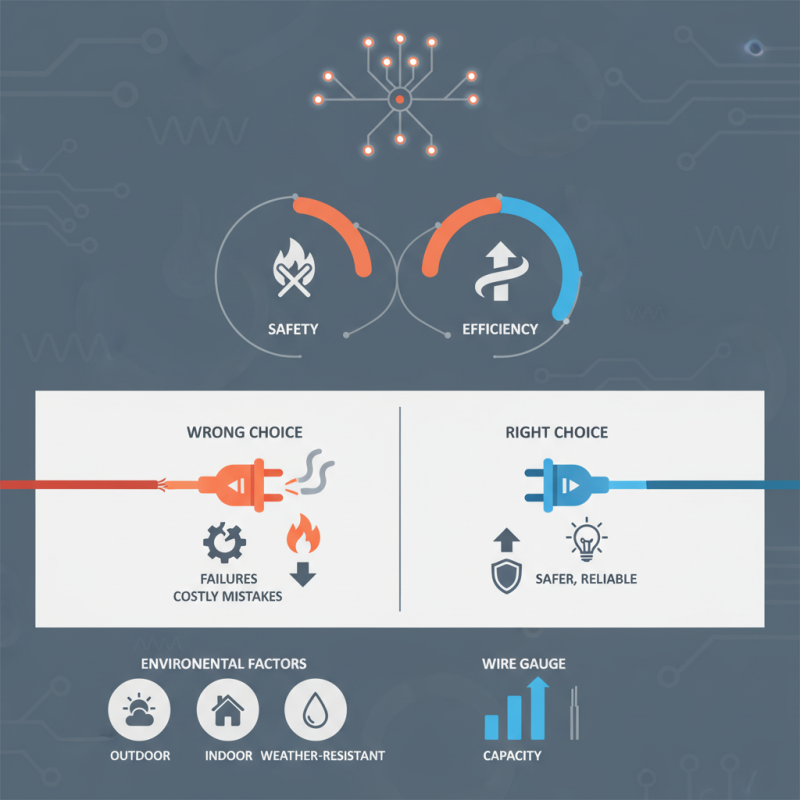
Choosing the right electric wire is crucial for many projects. Whether you are working on home improvement or industrial applications, the selection affects safety and efficiency. Electric wire serves as the lifeline for electrical currents. Using the wrong type can lead to overheating, electrical failures, or even fire hazards. Misunderstandings about wire specifications often arise, resulting in costly mistakes.

One common oversight is underestimating wire gauge. A wire that is too thin cannot handle the required current. This not only creates performance issues but poses serious safety risks. Even seasoned electricians can miscalculate, leading to potential disasters. It’s essential to understand the differences between types of wire, insulation ratings, and environmental factors.

Additionally, the installation environment significantly impacts wire choice. Outdoor projects may require weather-resistant options, while indoor use may allow for more variety. Reflection on past experiences can guide better choices in the future. Prioritizing the right electric wire promotes a safer, more reliable outcome for any electrical project.
Why Choosing the Right Electric Wire is Crucial for Projects?

Understanding the Different Types of Electric Wires Available

When embarking on an electrical project, understanding the types of electric wires is vital. Choosing the wrong wire can lead to inefficiency or even hazards. For instance, copper wire is popular due to its excellent conductivity. It is often favored for residential wiring, especially in new constructions. However, it can be more expensive than other options.

Aluminum wire, on the other hand, is lightweight and cost-effective. It’s frequently used for larger installations, like power lines. Yet, it requires careful handling. Aluminum can oxidize and lose conductivity if not properly connected. This oxidation can create risks. Likewise, there are specialized wires for specific applications, like THHN or NM wires. Knowing their uses helps project outcomes significantly.

It's essential to factor in wire gauge as well. A thinner wire may overheat under high load. This factor could endanger safety. Additionally, insulation type matters. Different environments require different insulation materials. Using the right one prevents premature wear and potential failures. Seek expert advice if uncertain. Making informed choices leads to safer, more reliable projects.

Why Choosing the Right Electric Wire is Crucial for Projects?

Wire Type AWG Size Material Max Current (A) Applications
THHN 14 Copper 15 Residential wiring, lighting circuits
UF 12 Copper 20 Underground installations, outdoor lighting
XHHW 10 Aluminum 30 Industrial applications, high-temperature locations
USE 6 Copper 55 Feeders, service entrance
MC Cable 12 Copper 20 Multi-conductor systems, low voltage

Factors to Consider When Selecting Electric Wires for Projects

Selecting the right electric wire is fundamental for any project. The wire's capacity to handle current is vital. It impacts performance and safety. Overloading a wire can lead to heat buildup, which could cause serious hazards. Knowing the ampacity of a wire ensures it meets the project's needs.

Consider insulation type when choosing wires. Different environments require different materials. For outdoor projects, moisture-resistant insulation is essential. Indoor projects might prioritize flexibility and ease of installation. Copper and aluminum are common materials. Copper has better conductivity, while aluminum is lighter and more cost-effective.

Think about the wire gauge as well. A thicker wire can handle more current. This keeps your projects reliable. However, thicker wires are also harder to work with. Too thin a wire can lead to voltage drop issues. If unsure, consult with a professional. They can offer guidance based on experience. Avoid making assumptions about wire choices; always double-check specifications.

Impact of Wire Gauge on Electrical Performance and Safety

Choosing the right wire gauge is essential for any electrical project. The gauge of the wire determines its current-carrying capacity. A wire that is too thin can overheat and create hazards. For instance, using a 20-gauge wire for a heavy load can lead to insulation melting and, in extreme cases, fire.

Selecting the appropriate wire also impacts the voltage drop. A thicker wire has a lower resistance. It can maintain the voltage over longer distances. This is particularly important in larger homes or commercial buildings. If the wrong gauge is used, devices may not operate correctly. This can cause inefficiencies and even equipment damage.

Tips: Always calculate the total wattage of your devices. Use that figure to determine the correct wire gauge. When in doubt, err on the side of caution and choose a thicker wire. Remember to consider future expansions. You may want to add devices later, and thicker wires can prevent the need for replacements. Regularly inspect connections and wires for wear. This helps maintain safety and performance over time.

Impact of Wire Gauge on Electrical Performance and Safety

This chart displays the current capacity in amperes for different wire gauges (AWG). Choosing the appropriate wire gauge is crucial for project safety and electrical performance, as using a wire with inadequate capacity can lead to overheating and potential hazards.

Common Misconceptions About Electric Wire Selection

When selecting electric wire, many misconceptions can lead to poor choices. One common belief is that all wires are interchangeable. In reality, wires vary in size, material, and insulation type. These factors impact performance, safety, and longevity. Choosing the wrong wire can result in overheating or electrical failures, causing costly repairs.


Another misconception is that thicker wires are always better. While thicker wires can carry more current, they may not be necessary for every project. Overestimating your needs can lead to overspending and unnecessary complications. It's crucial to consider the specific requirements of your project. Understanding the voltage, amperage, and environment is essential for proper wire selection.


Many people assume they don’t need professional advice. However, consulting with an expert can save time and money. An experienced electrician can help clarify the best wire options based on the project. Through accurate assessments, you can avoid impractical choices and ensure safety. Be mindful of these common misconceptions to make informed decisions in your electrical projects.

Best Practices for Installing Electric Wires in Various Applications

When installing electric wires, safety and efficiency are paramount. Inappropriate wire selection can lead to significant issues like overheating or system failures. According to the National Fire Protection Association, faulty wiring is one of the leading causes of electrical fires. Understanding the purpose and application of different wire types helps prevent these risks.

Proper installation practices are crucial. For residential settings, using the right gauge wire is essential. For instance, 12-gauge wire is suitable for most circuits that draw less than 20 amps. In contrast, installations like HVAC systems may require heavier gauge wires. A mismatch can lead to wire overheating. Also, consider using insulated conductors that meet local building codes.

Attention to detail in wire connection is equally important. Loose connections can lead to arcing, a silent danger. Regular inspection of installed wiring is advised, as wear and degradation can occur over time. The International Association of Electrical Inspectors suggests scheduling periodic assessments to maintain electrical integrity. Such practices ensure a reliable and safe electrical system.

FAQS

: What is the importance of selecting the right electric wire?

: Choosing the correct wire ensures efficiency and safety. Wrong choices can lead to hazards.

Why is copper wire preferred in residential wiring?

Copper wire is highly conductive and reliable. However, it is generally more expensive.

What are the risks of using aluminum wire?

Aluminum wire is lightweight and cost-effective but can oxidize. This lowers conductivity and creates risks.

How does wire gauge affect electrical safety?

Thinner wires may overheat under heavy loads. This increases the risk of fire or equipment damage.

What should be considered regarding insulation type?

Insulation varies by environment. Moisture-resistant insulation is crucial for outdoor projects.

How do I determine the appropriate wire gauge?

Calculate the total wattage of devices and consult guidelines. Thicker wires can handle more current safely.

What can happen if the wrong gauge is used?

Using an incorrect gauge can cause voltage drop issues. Devices may not operate correctly or could be damaged.

Why is consultation with a professional recommended?

Professionals can provide valuable guidance based on experience. They help avoid mistakes in wire selection.

How can future expansions impact wire choice?

Planning for future devices means choosing thicker wires. This prevents the need for replacements later.

What regular maintenance should I perform on wires?

Regularly inspect connections and wires for wear. This ensures ongoing safety and reliable performance.

Conclusion

Choosing the right electric wire is essential for any project, as it directly affects performance and safety. Electric wires come in various types, each suited to specific applications. When selecting electric wires, important factors such as the wire gauge, insulation type, and the environment in which they will be used must be considered to ensure optimal functionality.

Many people hold misconceptions about electric wire selection, often underestimating the significance of choosing the correct gauge, which can lead to safety risks and inefficient performance. Following best practices for installing electric wires in different applications is crucial to maximize their lifespan and reliability. Understanding these elements will help ensure the success of electrical projects and enhance overall safety in any electrical installation.


Aria

Aria

Aria is a dedicated marketing professional with a deep passion for innovative strategies and a keen understanding of our company's product offerings. With a wealth of experience in the industry, Aria excels at crafting engaging content that highlights the unique features and benefits of our......