Selecting the right High Voltage Cable for your project can be challenging. Different projects have unique needs, and understanding these requirements is crucial. High Voltage Cables are essential for transmitting electricity safely and efficiently. They must withstand specific conditions and regulatory standards.
Many factors influence your choice. For instance, the environment plays a significant role. Outdoor cables require added protection against weather elements. Indoor systems may need flexibility for easier installation. Additionally, the cable's insulation type is vital. It affects safety and performance over time.
You might think choosing a High Voltage Cable is straightforward. However, common mistakes can lead to issues later. Always consult a professional if unsure about specifications. Evaluate your project's demands carefully. This decision impacts longevity and reliability. Making an informed choice will save time and resources in the long run.
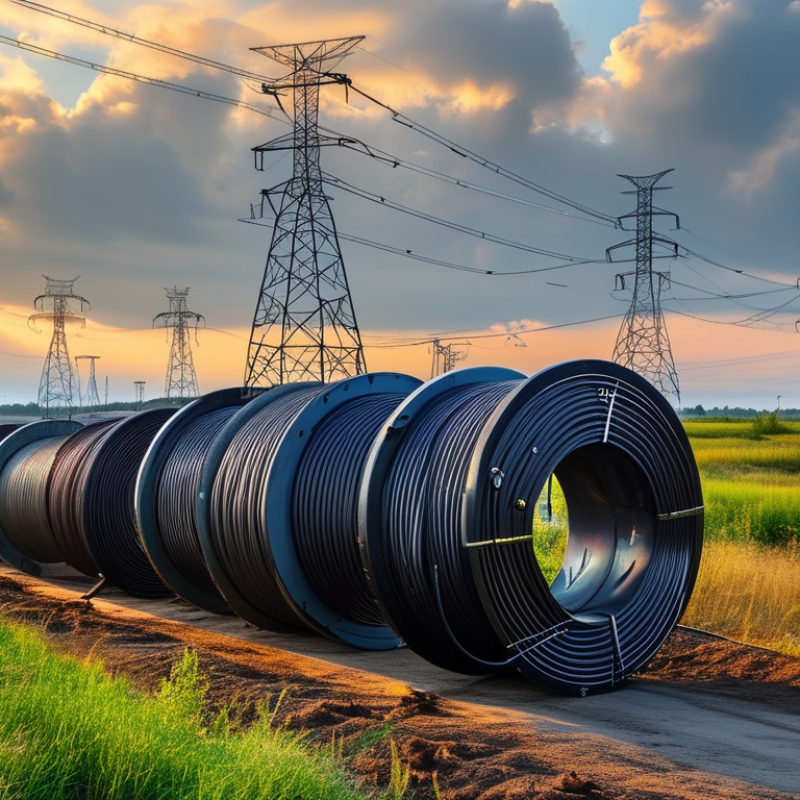
High voltage cables are essential for various industrial and commercial applications. Understanding their basics can significantly impact your project’s success. These cables are designed to transmit electricity at high voltage levels, typically above 1,000 volts. They are composed of several layers, including insulation, shielding, and conductive materials. Each layer plays a critical role in ensuring safety and efficiency.
When choosing a high voltage cable, consider the environment. Will the cable be exposed to extreme temperatures or moisture? These factors can affect the cable’s performance. Additionally, think about the installation process. Is it a complex area with tight spaces? The flexibility and size of the cable matter. Sometimes, the most reliable option is not the largest. A balance between capacity and physical space can lead to a better outcome.
Evaluating your project’s unique needs is crucial. What are the electrical requirements? Failing to assess this can lead to underperformance or even safety risks. Engaging with experts can provide valuable insights but also challenges. Their recommendations might not always align with your budget. Ensure to weigh the importance of quality against cost. High voltage cables must meet stringent standards, and cutting corners is not advisable.
| Parameter | Description | Typical Values | Considerations |
|---|---|---|---|
| Voltage Rating | Maximum voltage the cable can handle. | 5 kV, 15 kV, 35 kV, etc. | Match with system voltage requirements. |
| Conductor Material | Material used for conducting electricity. | Copper, Aluminum | Consider conductivity and cost. |
| Insulation Type | Material that insulates the conductor. | PE, PVC, XLPE | Choose based on thermal and chemical resistance. |
| Cable Size | Physical dimension of the cable. | 5 mm², 10 mm², 25 mm², etc. | Ensure compatibility with connectors and supports. |
| Application | Specific use case for the cable. | Power transmission, industrial equipment, etc. | Select cables designed for required environments. |
Identifying the voltage requirements for your project is crucial when selecting high voltage cables. Different applications require different voltage ratings. For instance, according to the International Electrotechnical Commission (IEC), medium voltage cables typically handle voltages between 1 kV to 36 kV. Ensure your project's voltage needs fall within this range to avoid potential failures.
Proper voltage assessment starts with understanding your equipment's requirements. Typical high voltage systems often operate at 5 kV, but some may go as high as 15 kV. Inaccurate voltage identification can lead to catastrophic results. A study by the Electrical Power Research Institute (EPRI) notes that improper cable selection can increase failure rates significantly, sometimes by 25%.
Consider both the operating environment and the load variations. For instance, if your project involves substantial load fluctuations, a cable rated significantly above the expected voltage can enhance reliability. However, overrating might lead to higher costs without proportionate benefits. Always consult with professionals to ensure accuracy in decisions. Making informed choices based on voltage requirements lays the foundation for a safer, more efficient project.
When evaluating high voltage cable types and materials, it is essential to consider the primary applications. Different environments require specific cable characteristics. For instance, in industrial settings, cross-linked polyethylene (XLPE) cables are often preferred for their excellent thermal resistance. According to the IEEE, XLPE can withstand temperatures up to 90°C in continuous operation. This high thermal threshold ensures reliability in demanding situations.
Material selection also plays a critical role. Polyvinyl chloride (PVC) is often used for insulation due to its cost-effectiveness. However, PVC is less durable over time compared to XLPE, particularly in outdoor applications. In contrast, materials like EPR (Ethylene Propylene Rubber) offer flexibility and resistance to environmental stress. Reports suggest that EPR cables can withstand extreme weather, which makes them suitable for high voltage applications in various climates.
Testing and certification are vital in ensuring cable quality. The National Electrical Manufacturers Association (NEMA) emphasizes the importance of compliance with rigorous safety standards. Proper certifications validate the cable's performance under high voltage. Yet, not all products meet these standards consistently, creating concerns for project managers. Investing time in evaluating these materials is critical for project success.
When selecting a high voltage cable, environmental factors play a crucial role. Different settings, like industrial plants or underground installations, greatly impact cable performance. Temperature extremes can lead to insulation failure or reduced efficiency. For instance, cables may need to withstand temperatures ranging from -30°C to 90°C, as specified by industry standards.
Moisture and humidity can also affect cable insulation. In regions with high rainfall or humidity, choose cables with appropriate moisture-resistant properties. For outdoor applications, consider UV resistance to prolong cable lifespan. According to various environmental assessments, cables can lose up to 20% of their insulation effectiveness when exposed to harsh conditions.
Pay attention to chemical exposure. If cables will be near corrosive substances, select materials resistant to such environments. These details often separate effective installations from costly failures, emphasizing the need for informed choices.
Understanding these factors provides a solid foundation for selecting the right cable. An effective project considers all aspects of the environment. Flexible planning can significantly reduce future complications and maintenance costs. Be mindful of every detail in your selection process, ensuring reliability and longevity. This analytical approach is essential for successful high voltage projects.
Choosing the right high voltage cable involves understanding installation requirements and maintenance considerations. Assessing the environmental conditions is crucial. Indoor installations may need different insulation materials than outdoor setups. High humidity or chemical exposure should influence your material choices.
Proper installation techniques can prevent future issues. Cables must be installed in accordance with local regulations. It's vital to ensure adequate spacing between cables to minimize overheating. If you're uncertain, consulting a professional can be vital to ensure safety and compliance.
Regular maintenance checks are essential. Inspecting high voltage cables for wear or damage helps in early detection of potential issues. Schedule these inspections based on usage and environmental factors. Over time, cables can degrade, impacting performance. Keep records of maintenance activities to track the condition of your cables. Failing to monitor could lead to costly downtime.
: Medium voltage cables typically handle voltages between 1 kV and 36 kV.
Inaccurate voltage identification can lead to catastrophic results and increased failure rates.
Environmental factors, load variations, and insulation materials are crucial when selecting high voltage cables.
Cables may need to withstand temperatures from -30°C to 90°C for optimal performance and insulation.
Cross-linked polyethylene (XLPE) is preferred for its excellent thermal resistance in industrial environments.
High moisture can reduce insulation effectiveness, making moisture-resistant cables essential in humid regions.
Proper testing ensures cables meet safety standards, validating performance under high voltage conditions.
Cables can lose up to 20% of insulation effectiveness when exposed to extreme conditions.
Yes, consulting professionals helps ensure accurate and informed decisions for effective project outcomes.
Overrating cables might lead to higher costs without providing significant reliability benefits.
Choosing the right High Voltage Cable for your project involves several critical considerations. First, it's essential to understand the basics of high voltage cables, including their construction and function. Identifying the specific voltage requirements of your project will help narrow down your options.
Next, evaluating different types of high voltage cables and materials is crucial, as each type offers distinct benefits depending on the application. Additionally, environmental factors, such as temperature and exposure to chemicals, can significantly influence cable selection. Finally, it's important to assess installation requirements and ongoing maintenance needs to ensure the long-term performance and safety of the high voltage cable system. By carefully analyzing these factors, you can make an informed decision that will meet the demands of your project effectively.

Laurence