Top Power Cable Types for Global Buyers to Consider?

Time:2026-08-16 Author:Ethan
0%

In today's rapidly advancing world, the demand for reliable Power Cable solutions continues to rise. Industry expert Dr. Michael Anders, a leading figure in electrical engineering, emphasized, "Choosing the right Power Cable can make or break a project." This highlights the critical nature of selecting appropriate cables for various applications.

Power Cables play a vital role in electrical distribution systems. Various types serve different needs, from residential use to large-scale industrial applications. Buyers often face confusion with the multitude of options available in the market. Factors such as insulation type, voltage rating, and environmental conditions must be carefully considered.

However, the complexity in this selection process can lead to mistakes. Many buyers overlook the long-term implications of their choices, such as maintenance and operational efficiency. Understanding the nuances of Power Cable types is essential for making informed decisions. As global markets evolve, keeping abreast of industry standards and innovations is vital for any buyer in this domain.
Top Power Cable Types for Global Buyers to Consider?

Overview of Power Cable Types and Their Applications

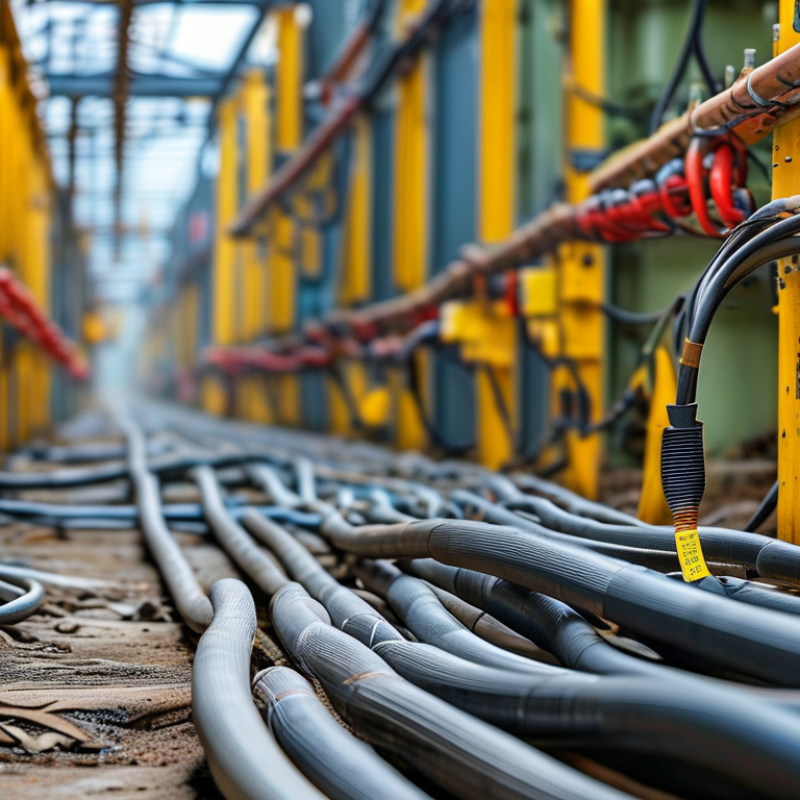
Power cables are crucial components in electrical systems, providing energy across various sectors. Different types serve unique applications. Understanding these differences helps buyers make informed choices.

Low voltage cables are commonly used for residential wiring and lighting. They are typically insulated to ensure safety and meet local codes. For industrial applications, medium voltage cables are essential. They distribute electricity from substations to various facilities. Their design allows them to withstand higher power loads, which is critical for operational efficiency.

High voltage cables play a significant role in transmitting electricity over long distances. These cables are often utilized in power plants and major transmission lines. They require stringent manufacturing standards to ensure reliability. Each cable type tends to have specific installation and maintenance needs. It’s important for buyers to consider these factors when selecting cables for different environments. Experimenting with various options can lead to better energy management.

Key Factors to Consider When Selecting Power Cables

Selecting the right power cable involves careful consideration of various factors. Not all cables are created equal. Buyers need to assess the cable's insulation material, ampacity, and voltage rating. These characteristics determine how efficiently a cable can operate in specific environments.

The environment plays a crucial role in cable selection. Will the cables be exposed to extreme temperatures or moisture? Such conditions can impact performance and longevity. Another critical factor is the cable's installation method. Certain cables are suited for underground settings, while others are designed for overhead use. Understanding these nuances ensures that the chosen cable meets the project's specific requirements.

Finally, cost should also be a factor, but don't let it be the sole focus. Sometimes, cheaper cables can lead to higher long-term expenses due to failures or inefficiencies. Investing in quality cables can save money down the line. Reflect on these aspects to make an informed decision on power cables.

Commonly Used Power Cable Types in Global Markets

Power cables play a crucial role in global electrical infrastructure. Various types cater to diverse applications, making them essential for effective power distribution. The two most commonly used power cable types are low voltage (LV) cables and high voltage (HV) cables. According to recent industry reports, the global power cables market was valued at over $174 billion in 2020 and is projected to grow significantly by 2025.

Low voltage cables are generally used in residential and commercial settings. They handle voltages up to 1,000 volts and include cables like PVC insulated cables and XLPE insulated cables. These cables are versatile and can be used for various applications, from lighting to power supply. Conversely, high voltage cables are essential for transmitting electricity over long distances. They are designed to handle voltages above 1,000 volts and ensure efficient energy transfer in power plants and substations.

Despite their importance, not all power cables are made to the same standards. For example, cables may vary in their insulation materials or conductor types, affecting their performance and safety. The global market is shifting towards cables that offer improved energy efficiency and durability. Awareness of regional regulations and standards is also vital for buyers. Selecting the right type requires careful consideration of these factors to ensure reliability and safety in power distribution networks.

Emerging Trends in Power Cable Technology and Innovation

The power cable industry is witnessing remarkable changes. Innovations in materials and designs are shaping the future. New types of cables are more efficient and environmentally friendly. Advanced insulation materials are making cables more durable. This reduces wear and tear over time.

One emerging trend is the development of smart cables. These cables can monitor performance in real-time. They also provide data for predictive maintenance. Such cables help prevent failures and enhance safety. However, they can be complex and costly. Not every buyer can readily adapt to these technologies.

Sustainability is another key focus. Manufacturers are exploring recyclable materials. This is a step toward minimizing environmental impact. However, the transition to these materials is not perfect. Production challenges and costs need addressing. Consumers must consider long-term benefits versus immediate costs.

Top Power Cable Types for Global Buyers to Consider

Cable Type Voltage Rating (kV) Conductor Material Application Emerging Trends
XLPE Cable 1-36 kV Copper/Aluminum Power Distribution Recyclable Materials
EPR Cable 5-46 kV Copper Industrial Use Innovation in Insulation
Low Smoke Zero Halogen (LSZH) 1-12 kV Copper Public Spaces Safety Regulations Compliance
Fiber Optic Power Cable Up to 48 kV Glass Telecommunication Integration of Power and Data
VFD Cable Up to 600 V Copper/Aluminum Motor Drives Energy Efficiency Improvements

Environmental and Regulatory Considerations for Power Cables

When considering power cables for global markets, environmental and regulatory factors are paramount. Buyers must understand the impact of materials used in cable manufacturing. For instance, PVC and polyethylene have different environmental footprints. Choosing materials that are recyclable or have lower emissions can make a significant difference.

Regulations vary widely across regions. Understanding specific guidelines is crucial for compliance. Some countries enforce strict regulations on hazardous substances in cables. Not adhering to these rules can result in penalties or product recalls. Have you checked local regulations for your intended market? Ignorance of these laws can lead to costly oversights.

Sustainability is becoming increasingly important. Many buyers now prioritize eco-friendly options. Power cables that are designed for longevity and recyclability not only meet environmental standards but also appeal to conscientious consumers. Balancing cost with sustainability may be challenging. It raises questions about the future of power cable sourcing and manufacturing.

Top Power Cable Types for Global Buyers to Consider

FAQS

: What are power cables used for?

: Power cables provide energy across various sectors, ensuring reliable electricity distribution.

What types of power cables are most common?

Low voltage (LV) and high voltage (HV) cables are widely used.

Where are low voltage cables typically used?

Low voltage cables are commonly found in residential wiring and lighting applications.

What are high voltage cables primarily used for?

High voltage cables transmit electricity over long distances in power plants and major transmission lines.

What factors should be considered when selecting power cables?

Consider insulation material, ampacity, voltage rating, and environmental conditions.

How does the environment impact cable selection?

Extreme temperatures or moisture can affect cable performance and longevity.

Why is installation method important when choosing cables?

Some cables are designed for underground use, while others are suited for overhead installations.

Should cost be the main focus when selecting cables?

Cost matters, but cheaper options may lead to higher long-term expenses due to failures.

How can buyers ensure they select reliable cables?

Reflect on insulation materials, regional regulations, and energy efficiency to make informed decisions.

What can happen if the wrong cable type is chosen?

Incorrect selection may lead to inefficiencies, increased maintenance costs, and safety hazards.

Conclusion

The article "Top Power Cable Types for Global Buyers to Consider" provides a comprehensive overview of various power cable types and their specific applications in different industries. It emphasizes the importance of understanding key factors when selecting the appropriate power cable, such as voltage levels, environmental conditions, and regulatory standards. Additionally, the article explores the commonly used power cable types in global markets, highlighting their advantages and limitations.

Emerging trends in power cable technology are also discussed, showcasing innovations that enhance performance and sustainability. Furthermore, environmental considerations and compliance with regulations are essential factors that buyers must take into account to ensure the safe and responsible use of power cables. Overall, this article serves as a valuable resource for global buyers seeking to make informed decisions about power cable selection and usage.

Ethan

Ethan

Ethan is a seasoned marketing professional with a deep expertise in our company's innovative product line. With a passion for sharing knowledge and insights, he takes the lead in regularly updating our corporate blog, where he explores industry trends, product features, and effective marketing......