Top Aerial Cable Types for Global Buyers to Consider?

Time:2026-08-11 Author:Ethan
0%

In the ever-evolving world of telecommunications, selecting the right Aerial Cable is crucial. Experts in the field, like Marlene Johnson, Chief Engineer at Global Cable Solutions, emphasize, “Choosing the right Aerial Cable can significantly impact network performance.” With diverse applications and specifications, navigating this market can overwhelm buyers.

Aerial Cables are designed for overhead transmission of electrical signals. Their construction varies widely, often featuring materials that withstand environmental challenges. Buyers face numerous options, which could lead to mistakes. Selecting an inappropriate type may result in networking issues or increased costs.

Understanding the nuances of Aerial Cable types aids in efficient decision-making. Buyers must consider factors like durability, flexibility, and environmental resistance. It’s essential to reflect on the specific needs of a project to make an informed choice. Learning from industry experts can illuminate the path forward, ensuring buyers make the best investments in Aerial Cable solutions.
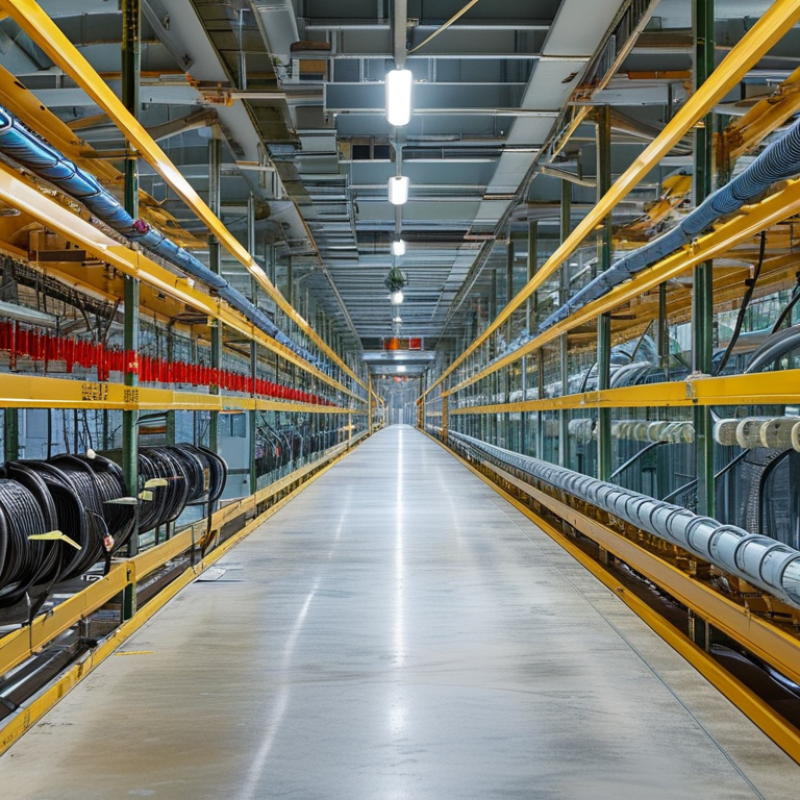
Top Aerial Cable Types for Global Buyers to Consider?

Overview of Aerial Cable Types and Their Global Applications

Aerial cables are essential for modern infrastructure, providing reliable solutions for power and communication. Understanding the different types of aerial cables and their applications is crucial for global buyers. According to recent industry reports, the global market for aerial cables is expected to reach $15 billion by 2026. High demand arises from urbanization and digital connectivity.

There are several types of aerial cables, each serving unique applications. For instance, self-supporting aerial cables are popular for their ease of installation. They can span longer distances without additional support structures. Fiber optic aerial cables are on the rise, enabling high-speed internet access in remote regions. A study indicates that fiber usage in aerial applications could increase by 30% in the next few years. However, challenges like weather conditions can affect reliability.

In certain areas, maintenance of aerial cables poses difficulties. Issues like cable sagging or external damage can arise, potentially disrupting service. Buyers should also consider environmental factors impacting longevity. Awareness of these issues is vital in selecting the right aerial cable type for diverse applications globally.

Key Features to Consider When Choosing Aerial Cables

When selecting aerial cables, several key features come into play. Durability is crucial. Aerial cables should withstand environmental factors like wind, rain, and UV rays. Look for cables with robust insulation that can handle harsh conditions. The right materials extend the lifespan and reduce maintenance costs.

Installation ease is another vital aspect. Some aerial cables require more complex setups than others. Knowing the installation process ahead of time can save both time and resources. Tips: Consider the weight and flexibility of the cable. Lighter cables may simplify installation and reduce strain on supporting structures.

The design of the cable impacts performance. Features like resistance to interference and signal loss are essential. For example, a well-designed cable will maintain quality over long distances. Tips: Analyze specifics like the conductor's material and cross-sectional area to ensure optimal signal integrity. Remember, making informed choices about aerial cables will enhance functionality and reliability in your projects.

Comparative Analysis of Different Aerial Cable Types

When comparing different aerial cable types, several factors come into play. The primary types include fiber optic cables and traditional copper cables. Fiber optic cables are known for their high bandwidth capacity. They can transmit data over long distances without significant loss. In contrast, copper cables may be more susceptible to interference and signal degradation.

Consider the installation environment. Aerial cables exposed to harsh weather must be robust. Armored cables provide additional protection against physical damage. Some newer options feature lightweight and flexible designs. These are suitable for installations where weight and space are constraints.

Choosing the right cable can be daunting. Factors like cost, performance, and application matter significantly. Additionally, the evolving technology can complicate decision-making. Buyers must analyze their specific needs carefully. Engaging with experienced professionals can help ensure informed choices. It is essential to balance quality with budget constraints. The market offers various options, but not all will meet every need.

Industry-Specific Requirements for Aerial Cables

In various industries, the requirements for aerial cables can significantly differ. The power sector, for instance, often mandates durable cables that can withstand harsh environmental conditions. According to a report from the Institute of Electrical and Electronics Engineers, around 70% of failures in aerial cables occur due to external factors like weather and wildlife interference. This highlights the need for materials that provide better resistance.

Telecommunications also has stringent demands. High-speed connections require low attenuation cables. The average cable loss is estimated at 0.2 dB per kilometer for fiber optics, making quality paramount. Enhancements in cable design can reduce these losses and ensure efficiency. Failing to meet these requirements can lead to costly downtimes.

Transportation networks evolve rapidly, prompting unique needs for aerial cables. Signal integrity is critical for train and metro systems. Research indicates that 85% of disruptions stem from inadequate cable performance. Thus, selecting the right aerial cable can directly affect operational efficiency and safety. Recognizing these specific industry criteria is vital for global buyers in making informed decisions.

Top Aerial Cable Types for Global Buyers to Consider

Cable Type Application Technical Specifications Advantages Considerations
ADSS (All-Dielectric Self-Supporting) Telecommunications Up to 48 fibers, UV resistant No metallic components, suitable for high voltage areas Higher upfront costs, installation may require special equipment
OPGW (Optical Ground Wire) Power transmission Combines grounding and communication Dual functionality, protects against lightning strikes Heavy weight can be challenging for certain structures
Aerial Fiber Cable Broadband internet Commonly 4-12 fibers, weather-resistant Cost-effective for urban installations Limited by distance and possible signal degradation
LST (Low Smoke Zero Halogen) Commercial buildings Fire-resistant, non-toxic insulation Enhanced safety for indoor applications Higher cost than standard cables

Future Trends in Aerial Cable Technology for International Markets

The future of aerial cable technology is dynamic and evolving. A key trend is the integration of smart technology into cable systems. This can enhance monitoring and maintenance, leading to improved reliability. Smart sensors collect data on environmental conditions. This information helps prevent failures and reduces downtime.

Another significant trend is the use of sustainable materials. As environmental concerns grow, manufacturers are exploring eco-friendly options. These materials not only reduce the carbon footprint but also improve the overall lifespan of cables. Buyers will likely prioritize sustainability in their purchasing decisions. However, the development and integration of these materials pose challenges.

Innovation in insulation techniques is also on the rise. Advanced shielding solutions enhance performance in extreme conditions. These technologies can reduce signal loss and increase overall efficiency. While the promise is great, decision-makers must remain cautious. Balancing cost, performance, and environmental impact is not always straightforward. Continuous research and adaptation will shape the future of aerial cables in global markets.

Top Aerial Cable Types and Future Trends in Aerial Cable Technology

FAQS

: What are aerial cables used for?

: Aerial cables are essential for power and communication, supporting modern infrastructure worldwide.

Why is it important to understand aerial cable types?

Knowing different aerial cable types helps buyers make informed choices for diverse global applications.

What challenges do aerial cables face in maintenance?

Maintenance can be difficult due to issues like sagging cables and external damage that disrupt service.

What are the key requirements for aerial cables in the power sector?

The power sector needs durable cables that can withstand harsh environmental conditions for reliable service.

How does the telecommunications industry define its aerial cable needs?

Telecommunications requires low attenuation cables, with fiber optic average loss at about 0.2 dB per kilometer.

What trends are shaping the future of aerial cable technology?

Key trends include smart technology integration and the use of sustainable materials for better performance.

Why is signal integrity critical for transportation networks?

Inadequate cable performance leads to disruptions, directly affecting operational efficiency and safety in transportation.

How can smart technology improve aerial cable systems?

Smart sensors collect data, enhancing monitoring and maintenance, thus preventing failures and reducing downtime.

What is the focus on sustainability regarding aerial cables?

Eco-friendly materials are being explored to reduce carbon footprints and improve cable lifespan, despite development challenges.

Why is balancing cost and performance challenging in aerial cable decisions?

Achieving efficiency while considering environmental impact and cost is not straightforward, requiring careful research.

Conclusion

The article "Top Aerial Cable Types for Global Buyers to Consider" provides a comprehensive overview of various aerial cable types and their applications across different regions. It highlights the key features to consider when selecting aerial cables, such as durability, insulation types, and resistance to environmental factors. A comparative analysis of different aerial cable types is conducted to help buyers understand their specific advantages and limitations.

Furthermore, the article addresses industry-specific requirements for aerial cables, tailoring its insights for sectors such as telecommunications, power distribution, and transportation. Finally, it explores future trends in aerial cable technology, emphasizing innovations that cater to the evolving needs of international markets. This serves as a valuable guide for global buyers looking to make informed decisions about aerial cable investments.


Ethan

Ethan

Ethan is a seasoned marketing professional with a deep expertise in our company's innovative product line. With a passion for sharing knowledge and insights, he takes the lead in regularly updating our corporate blog, where he explores industry trends, product features, and effective marketing......